Todos os estilos de combate de Sailor Piece
Nesse post você vai encontrar todos os estilos de combate de Sailor Piece, fundamentais para avançar no Roblox. Descubra como cada técnica altera as batalhas e quais recursos são necessários para desbloqueá-las. ⚔️
Os estilos de combate de Sailor Piece aparecem como base principal das lutas dentro do servidor no Roblox, definindo como cada ataque se comporta e qual caminho de progressão fica disponível conforme você avança pelas ilhas. Cada estilo muda os confrontos, alterando alcance, tipos de golpe e efeitos que surgem durante as batalhas contra inimigos e chefes.
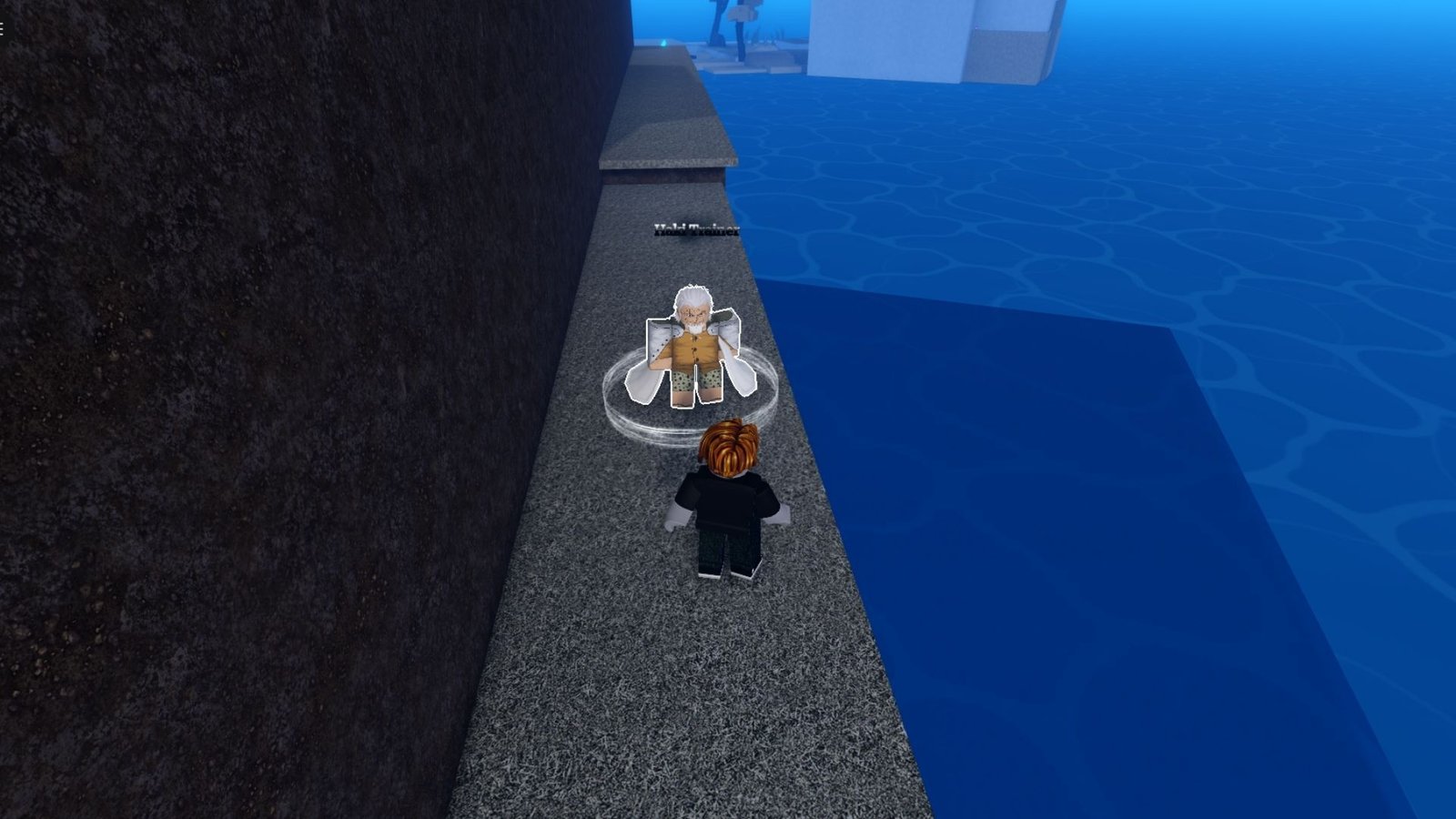
De início, um estilo básico já fica disponível, mas isso muda conforme você derrota adversários mais fortes e coleta recursos espalhados pelo mapa. Conforme novas áreas são acessadas, treinadores específicos liberam técnicas diferentes. Saiba mais abaixo!
O que são estilos de combate de Sailor Piece?
Os estilos funcionam como variações de ataque, cada um com características próprias como alcance, tipo de impacto e efeitos especiais nos golpes. Eles também influenciam a forma como o personagem reage em confrontos contra inimigos mais fortes.
Assim, os estilos de combate de Sailor Piece não são apenas mudanças simples de ataque, eles alteram totalmente os confrontos, já que cada técnica necessidade de diferentes recursos e itens raros obtidos ao longo das ilhas.
O avanço dentro do mapa libera treinadores específicos e chefes que liberam acesso a novas técnicas. Em algumas regiões, a progressão depende de dinheiro virtual, gemas e itens obtidos após derrotar inimigos fortes.
Lista dos estilos de combates de Sailor Piece
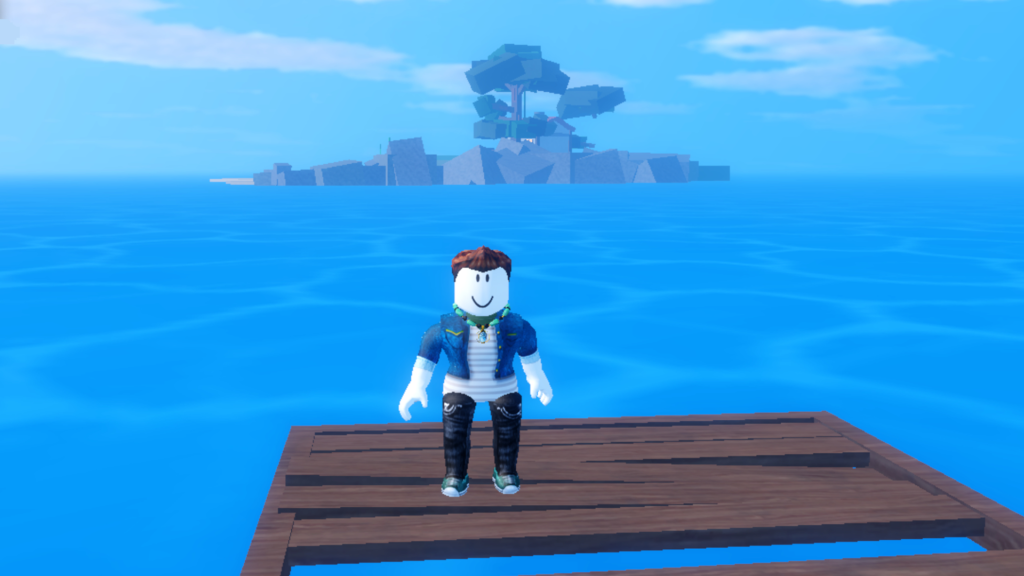
Dentro das ilhas existem várias formas de luta que fazem parte dos estilos de combate de Sailor Piece, cada uma associada a locais e requisitos diferentes:
- Combat: início automático ao entrar no sistema;
- Yuji: localizado em Shibuya Station, com itens obtidos de chefe específico;
- Observation Haki: presente na Desert Island com custo em dinheiro e gemas
- Qin Shi: Boss Island, com itens raros e grandes quantidades de recursos;
- Alucard: Sailor Island, atrás da área principal, ligado a título especial e amuletos;
- Sukuna: Shibuya Station, dependente de dedos amaldiçoados e recursos elevados;
- Gojo: exige fragmentos e recursos médios a altos;
- Madoka: Valentine Island, com alto custo e diversos materiais raros;
- Gilgamesh: Boss Island, ligado a título e itens lendários;
- Anos: Academy Island, com grande lista de requisitos avançados;
- Strongest in History: Shinjuku Island com itens amaldiçoados;
- Strongest of Today: também em Shinjuku Island com foco em títulos específicos.
Ao avançar entre ilhas, os requisitos ficam mais complexos. Chefes passam a exigir derrotas repetidas e coleta de itens específicos. Assim, cada um dos estilos de combate de Sailor Piece se tornam cada vez mais difíceis de desbloquear.
Alguns estilos dependem de títulos coletados após derrotar inimigos especiais, enquanto outros dependem de fragmentos raros coletados em áreas avançadas.
Qual caminho de força se sobressa?
A força de cada estilo depende do tipo de confronto. Em confrontos contra inimigos controlados pelo sistema, alguns estilos funcionam melhor por causa do alcance e dano em área. Em outros casos, confrontos diretos contra rivais exigem ataques mais rápidos e precisos.
Os estilos de combate de Sailor Piece ligados a personagens como Madoka, Gilgamesh e Anos são frequentemente associados a desempenho elevado em confrontos contra chefes. Já Sukuna e Strongest of Today costumam aparecer em disputas diretas entre personagens controlados por diferentes participantes. Não existe um único caminho dominante, já que cada situação necessidade adaptação de recursos, tempo de resposta e escolha de técnica.
Estratégias para desbloquear os estilos
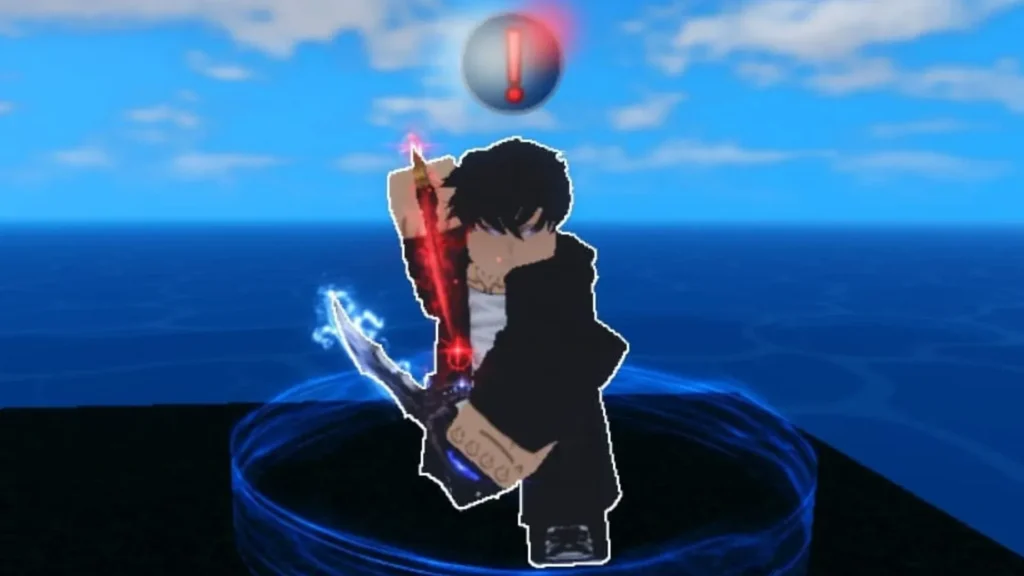
Existem algumas formas de avançar mais rápido dentro desse sistema de progressão. Organizar o tempo entre coleta de recursos e confrontos contra chefes faz diferença significativa.
Os estilos de combate de Sailor Piece ficam mais acessíveis quando a coleta de gemas e dinheiro é feita de forma paralela. Outra abordagem é de enfrentar áreas com menos disputa por recursos, facilitando a obtenção de itens raros. Também ajuda priorizar chefes que liberam múltiplos materiais necessários ao mesmo tempo, reduzindo repetição de confrontos.
A estrutura geral dos estilos de combate de Sailor Piece mostra um sistema de progressão baseado em coleta, enfrentamento e avanço por ilhas. Cada estilo possui requisitos próprios e muda a forma de atuar em confrontos dentro do servidor do Roblox.